visas
Portugal's 60-Day Visa Rule Explained (2026)

Portuguese law gives consulates 60 days to decide a residence visa. How the deadline works, what stalls it, and what to do when it passes.
Waiting for a visa decision is the worst part of moving abroad. Your lease has a start date, the flight tabs are open, and the consulate's website just says "processing." Here is the good news: Portuguese law puts a hard number on that wait. For residence visas, the decision deadline is 60 days.
That number comes with fine print, though. Different applications run on different clocks, the clock does not always start when you think it does, and a 2026 law change removed the safety net that used to protect applicants when the state missed its own deadline. This post walks through all of it: the rule, the exceptions, and what to do when day 61 arrives with no answer.
The three deadlines that matter
Portuguese immigration law runs on three separate clocks, and mixing them up is the most common mistake applicants make.
| Application | Legal deadline | Source |
|---|---|---|
| Residence visa (D1, D7, D8 and the rest) | 60 days | Article 58(4), Foreigners Law (Lei 23/2007) |
| Temporary stay visa | 30 days | Foreigners Law |
| Schengen short-stay visa | 15 days, extendable to 45 in complex cases | EU Visa Code |
The first two are decided abroad, at the consulate or visa application center where you apply. Once you land in Portugal, a second set of deadlines takes over at AIMA, the immigration agency: 90 days for a first residence permit decision, with a possible 30-day extension in exceptional and justified cases that AIMA must notify you about, and 60 days for permit renewals.
What "60 days" actually means
The law says the consulate has 60 days to issue a decision on a residence visa application. The key word is decision. It does not promise approval in 60 days. It promises an answer: approved, refused, or a request for more documents.
The days are calendar days, not working days. That distinction matters because several other Portuguese immigration deadlines are counted in working days. This one is not. Weekends and holidays count.
Also note the caveat printed on the consulates' own checklists: "except in circumstances stipulated by law." Some application types follow their own timelines. Family reunification runs on its own, longer schedule. The golden visa has its own decision framework. The 60-day rule covers the standard residence visa route, which is what almost every work, study, and retirement applicant files under.
When the clock starts, and what stalls it
In practice, the 60 days start when your application is complete and accepted at the consulate or visa center. That is the date on your submission receipt, and it is the most important piece of paper in your file. Without it, you cannot prove when the clock started.
If the consulate later asks for an extra document, the practical effect is that the wait stalls while you supply it. There is no legal penalty on the consulate for asking, and the days you spend getting a fresh criminal record certificate or a reissued bank statement are days the decision is not getting made. This is why every immigration lawyer tells clients to file a complete application on day one. A missing document does not just delay you. It resets the practical timeline.
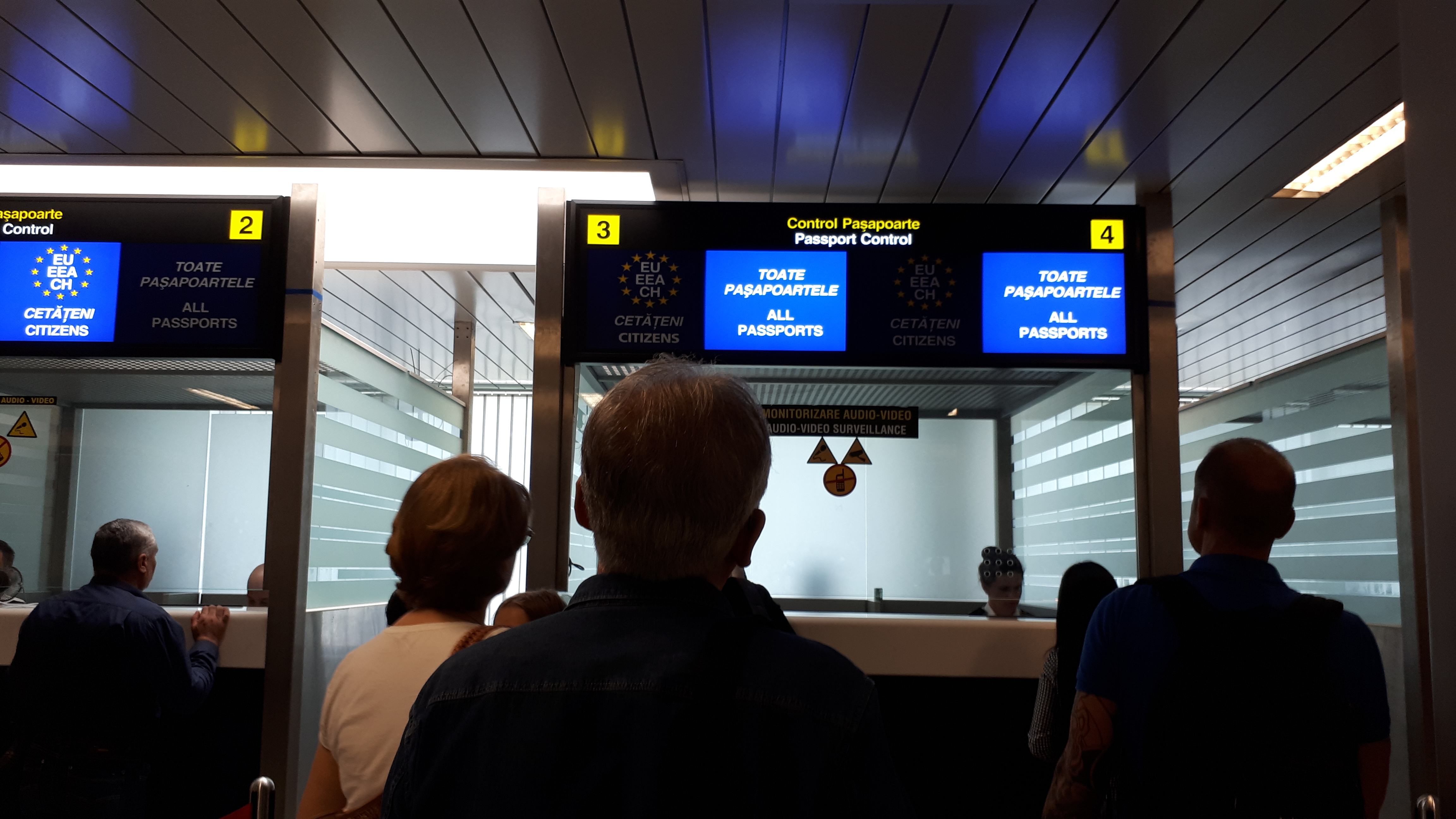 Passport control queue at an airport
The safety net that disappeared in 2026
Until September 2026, Portuguese law had a safety valve called deferimento tácito, or tacit approval. If AIMA failed to decide a residence permit renewal within its 60-day deadline, and the delay was not the applicant's fault, the renewal counted as approved and the card had to be issued. The state's own failure became the applicant's win.
Law 62/2026, which took effect on 11 September 2026, removed that rule. The law cancelled article 82(7) of the Foreigners Law, the exact provision behind tacit approval. Now, when the deadline passes with no decision, nothing happens automatically. Your application stays in the queue, and AIMA still has a legal duty to decide it, but silence no longer works in your favor.
The same law clarified the first-permit deadline: 90 days, extendable by 30 days in exceptional and justified cases, with notification to the applicant. That extension is new. The 90 days already existed.
Why does this matter for visa applicants, not just permit holders? Because the 60-day consulate rule never had a tacit approval mechanism behind it in the first place. Silence from a consulate was never an approval. What the 2026 change did was align the whole system in the same direction: deadlines exist, but they no longer trigger automatic wins. The remedy is on you to pursue.
What to do when the deadline passes
Start with the boring stuff. It works more often than people expect.
First, send a written follow-up. Quote your application number and the exact number of days elapsed since the deadline. A registered letter with acknowledgement of receipt, plus an email, creates a paper trail. Lawyers recommend this not because consulates enjoy receiving letters, but because proof that you tried to resolve the delay administratively strengthens every step that follows.
Second, complain to the Provedor de Justiça, Portugal's Ombudsman. It is free and independent. It cannot order AIMA or a consulate to decide, but it investigates complaints and issues recommendations. Slow residence decisions have been one of its largest complaint categories for years, with roughly 9% of its 2025 complaints concerning foreigners' entry and stay. A complaint there costs you nothing and adds institutional weight to your case.
Third, go to court. The remedy is called an intimação, a court order compelling the authority to issue a decision within a set deadline. This is where the paper trail from step one pays off. Courts respond better to applicants who can show they did everything right, filed a complete application, and waited past the legal deadline.
One important distinction: none of this is the same as appealing a refusal. If your visa was refused, you have different tools with different clocks. You can file a complaint with the consular post within 15 days of notification, a hierarchical appeal to the minister responsible for foreign affairs within three months, or an administrative court action within three months. "No answer yet" and "refused" are different problems with different fixes. Do not use the tools for one on the other.
What happens in practice
Here is the honest part. At the consulate stage, typical processing runs 30 to 60 days, though it varies a lot by consulate. The place where deadlines routinely break is AIMA, on the residence permit side, where waits of six months to over a year are commonly reported by lawyers and community groups. That is a different queue with different problems, and we break down the real numbers in our post on Portugal's visa processing times.
So why does the 60-day rule matter if practice varies? Three reasons. It tells you when to start worrying instead of just feeling worried. It gives your follow-up letters a legal anchor, which gets them taken more seriously. And it is the trigger for the court remedy that actually forces a decision. A deadline you can cite is worth more than a vague sense that "this is taking too long."
Making the clock work for you
A few practical moves, in order of importance:
- Apply early. The consulate checklists say it themselves: submit in advance so the authorities have time to decide. For a D1 visa tied to a job start date, count 60 days back from your contract date and add a buffer. Our D1 visa guide covers the full route, and the visas hub maps every other route the same way.
- File a complete application. Criminal record, proof of accommodation, proof of means, insurance. Check the list twice before your appointment. Every document request restarts your practical wait.
- Keep your receipt. The date on it is day one of your 60 days. Photograph it, email it to yourself, do not lose it.
- Track it in writing. If day 61 passes with no answer, your first follow-up should cite the deadline by name: Article 58(4) of the Foreigners Law (Lei 23/2007). Precision gets answers.
- If you are stuck and the follow-ups go nowhere, talk to an immigration lawyer before doing anything in court. The intimação route works, but it costs money and it needs to be built properly. This is exactly the kind of situation our immigration services are set up to handle.
The 60-day rule will not make a consulate move faster on its own. But it turns an anxious wait into a managed process with a start date, a deadline, and a plan for what happens next. That is more than most immigration systems give you.
Last checked: 24 October 2026.
Get every update by email
Price alerts, rule changes and new guides — one digest, no spam.
Reading about Portugal admin? Get yours handled.
NIF, fiscal rep, bank account — done for you, starting at €79.
Request a free quoteReplies within one business day