visas
Portugal Visa Refusals 2026: 7 Patterns That Sink Applications
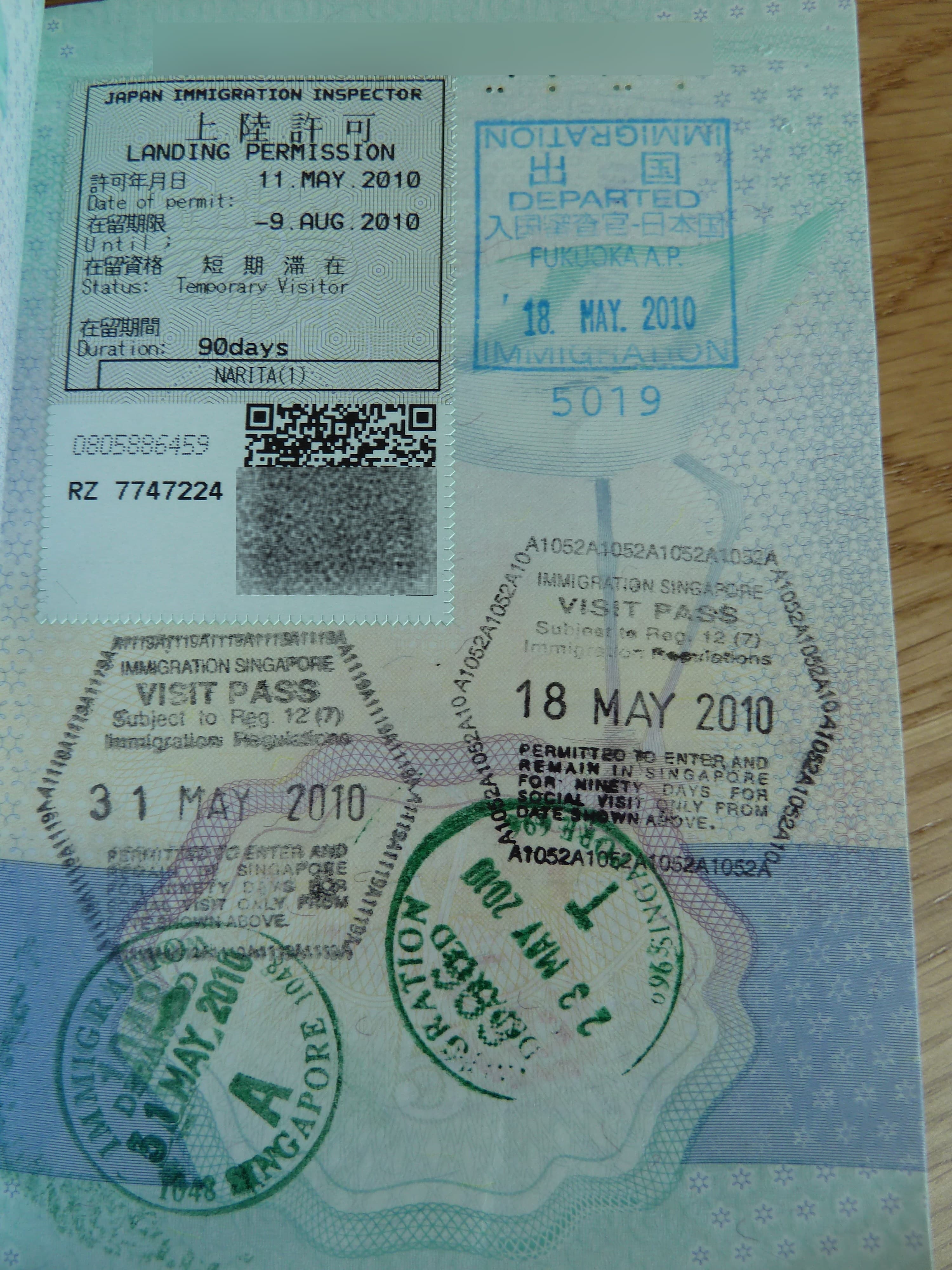
The same seven mistakes sink most Portugal visa applications. Here is what consulates actually refuse people for, and how to fix each one before you file.
Last checked: 21 October 2026
A Portugal visa refusal arrives on a standard form. The consulate ticks one or more numbered boxes and hands it back, and that is the whole explanation you get. There is no paragraph about what went wrong, and no phone number to call for clarification.
But the patterns behind those ticked boxes are remarkably consistent. Reading through applicant reports, forum threads and advisory case files, the same seven mistakes account for most of the refusals people post about. This is not a formal study with a dataset. It is what keeps showing up, year after year. And that is useful, because every one of these patterns is fixable before you file.
1. The bank statement doesn't match the story
Portugal's means-of-subsistence test for national visas is indexed to the monthly minimum wage, which is €920 in 2026. The rule is simple: the first adult needs the full amount, each additional adult needs half, and each child needs 30 percent. For a D7 application, the money has to be secured for at least twelve months.
| Household | Monthly minimum | 12-month total |
|---|---|---|
| Single applicant | €920 | €11,040 |
| Couple | €1,380 | €16,560 |
| Couple with 2 children | €1,932 | €23,184 |
Plenty of applicants clear these numbers and still get refused. The classic version: the application form says €3,000 a month in income, but the statements show no regular credits anywhere near that figure. Or the balance is healthy while the income section of the form was left vague. The officer is not just checking that money exists. She is checking that the money on paper matches the story in the form. She's the one who has seen a thousand bank statements, and she knows what seasoned funds look like.
One clarification you will need, because many guides online get it wrong: some blogs quote the IAS, the social support index (€537.13 in 2026), as the basis for this test. The national-visa means test works off the minimum monthly wage, not the IAS. The IAS anchors other routes, like the Startup Visa. For a standard D visa, use the €920 scale.
 Euro banknotes laid out on a table
2. The money appeared overnight
A savings account that sat at €800 for eleven months and jumped to €25,000 three weeks before the appointment is a red flag, not a solution. Consular officers see this constantly. Whose money is this, really, and will it still be there after the visa is issued?
If the money has a legitimate origin, document it. A property sale comes with a sale contract. A loan comes with loan paperwork. A family gift comes with a signed gift letter and the transfer trail. If there is no paper trail and no time to build one, you are better off waiting a few months and filing with statements that show stable, seasoned funds than filing now with a balance that looks borrowed.
3. Active income dressed up as passive income
This is the most reported D7 refusal pattern, and it keeps happening because the two visas sound similar. The D7 is for people living off passive income: pensions, rental income, dividends, interest from savings. The D8 digital nomad visa is the one built for remote workers with salaries and freelance contracts.
Submitting a remote-employment contract or a stack of freelance invoices with a D7 application is asking for a refusal. The income is real, but the visa category is wrong. Match the visa to the income type before you touch the paperwork. And if your income is a mix of both, get advice from someone who has seen your exact combination approved. Some consulates also expect D7 figures comfortably above the €920 floor, so scraping the minimum is its own risk.
4. Accommodation that proves nothing
The refusal ground here is that the purpose and conditions of the stay were not justified. The usual trigger is an accommodation section that proves nothing at all. A cancellable three-night hotel booking attached to a two-year visa application says nothing about where you will actually live. A short message from a friend saying you can crash on their sofa says even less.
Official checklists ask for confirmed reservations showing names and dates. If you are staying with someone in Portugal, ask them for a formal declaration of responsibility (termo de responsabilidade) with a copy of their ID and proof of their address. It is a small piece of paperwork that turns "a friend said yes" into something a consulate can actually file.
5. Insurance with gaps in it
There are two stages to Portuguese immigration insurance, and refusals come from mixing them up.
At the consulate stage, your travel medical insurance must cover the whole requested stay, every Schengen state, with at least €30,000 of medical coverage. The frequent failure is a policy that expires halfway through the requested visa duration, or a cheap policy whose coverage sits below the minimum. Consulates enforce this against official checklists in 2026, so there is no ambiguity about the standard.
Later, at the AIMA residence-permit appointment, the requirement changes. Now you need ongoing health cover: a renewable private policy valid in Portugal, or proof that you are covered by the national health service. A fifteen-day travel policy attached to a one-year stay fails at both stages. If you want to compare policies built for this exact requirement, our visa health insurance comparison breaks down what each option actually covers.
6. The missing apostille, or the document that expired
Foreign public documents for a Portuguese visa need an apostille if your country signed the Hague Convention, or consular legalisation if it did not. Birth certificates, marriage certificates and criminal records all fall under this rule, and the criminal record is where most people trip.
Two details matter. First, the certificate is generally treated as fresh for about ninety days from the date of issue, so a record pulled in May for an October appointment is already dead. Second, you need one from your country of nationality and from every country where you have lived for a year or more. Applicants who spent two years working abroad and only submit their home-country record get refused on exactly this point. Check the issue date and the country coverage before the appointment, not after. If the documents need translation as well, use a certified translator so the translation itself doesn't become a second problem.
7. Inconsistencies that read as overstay risk
The Visa Code gives officers a refusal ground called "reasonable doubts about the intention to leave the territory before the visa expires." In practice, it gets ticked when the file tells two different stories.
The address on the bank statements doesn't match the address on the application form. The employer letter is dated after the last pay slip. The declared job title does not match the work history in the supporting letters. None of these is fatal on its own, but together they paint an applicant who is careless at best. Then there is the ties question: no documented job to return to, no lease, no property, no family obligations on paper. Strong home ties don't guarantee approval, but their absence makes the overstay box much easier to tick.
Before you file, read your own file like a sceptic. Every number, date and address should agree across every page.
If you are refused anyway
The refusal note uses the standard EU form with the legal grounds ticked, and Portugal's foreign ministry publishes the routes open to you. There are three, and they are not mutually exclusive.
First, you can file a complaint with the consular post itself within fifteen days of the notification. Second, you can appeal to the Minister of Foreign Affairs within three months. Third, you can take the case to the administrative court in Lisbon, also within three months. The appeal and the court case can run at the same time. Each appeal procedure costs €75, except in cases that follow from a family-reunification authorisation, where the fee is waived.
There is no legal waiting period before a new application. Nothing stops you from reapplying the next day. But reapplying with the same file that just got refused usually produces the same answer, and a second refusal on record makes the third attempt harder. Fix every ticked ground with fresh evidence first, then reapply. If you would rather have someone review the file before it goes back in, our team does exactly this kind of pre-filing check.
 Lisbon seen from the air while landing at the airport
Most refusals are not mysteries, and they are not bad luck. They are one of these seven things. All seven are in your control before the appointment, which is exactly when it matters.
Get every update by email
Price alerts, rule changes and new guides — one digest, no spam.
Reading about Portugal admin? Get yours handled.
NIF, fiscal rep, bank account — done for you, starting at €79.
Request a free quoteReplies within one business day